


You Know: Associations
4.8357.00 Reviews
App Specs
- Version
- 1.08.00
- Updated On
- License
- Free
- Downloads
- 100,000+
- Developer
- Tripledot Studios Limited
- Categories
- Card
- Platform
- Android
Screenshots


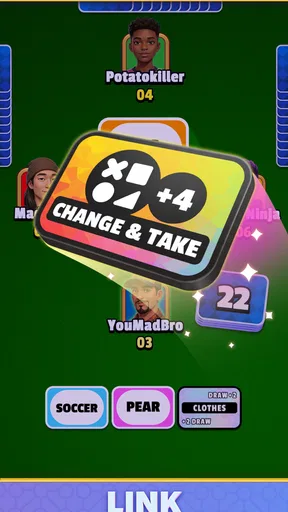
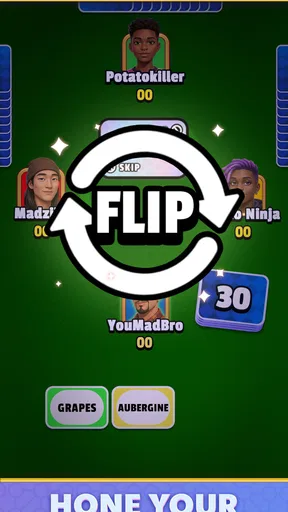




 Analysis by AppCompare
I’d treat You Know: Associations as a casual multiplayer card game to try with a friend, rather than as a game with a complicated onboarding routine. The basic appeal is easy to understand: match colours, look for combinations, and make choices with the other players in mind. That mix can make a short round feel livelier than playing cards alone, while still being approachable if you don’t want to learn a dense strategy game.
My main practical advice is to start with the simplest goal: understand what the cards in front of you let you do, then decide whether a move helps you or puts pressure on someone else. In a multiplayer card game, the best move is not always the one that clears your hand fastest; timing and the state of the table matter too. That is where the title’s strategic element has room to show itself.
Getting into a round without overthinking it
I’d use the first round to get comfortable with the choices rather than chase a perfect play. When the table changes after someone else’s turn, I find it helpful to pause, check which matches and combinations are still available, and then choose with the next turn in mind. That keeps a small mistake from snowballing and makes it easier to tell whether I’m simply adjusting my plan or need to look more closely at what happened.
Where new players can get stuck
The colour-matching idea sounds familiar, but familiarity can also lead to mistakes. It is tempting to play as quickly as possible because the rules appear light. I’d pause long enough to check the available combinations and consider what your move means for the next player. A fast choice can be satisfying, but a little attention is what turns a routine match into a tactical one.
That makes the game a better fit for people who enjoy reading a table than for anyone who wants a purely automatic, hands-off pastime. If you like card games where you watch other players’ options and adjust your plan, the multiplayer focus is a genuine reason to give it a go. If you prefer a solitary puzzle with a fixed solution, this may feel too dependent on the group.
One useful habit is to distinguish between a move that is immediately convenient and one that keeps your next turn flexible. When several options appear playable, I’d avoid spending a combination just because it looks neat; consider whether holding back could give you a better response later. This is a general strategic approach rather than a guaranteed winning trick, but it helps make each decision feel deliberate.
Simple setup checks before blaming the game
You Know: Associations is free, and its Everyone age rating makes it broadly suitable for casual play. It is a card game from Tripledot Studios Limited, currently at version 1.08.00, and it requires Android 7.1 or later. Before installing, I’d check that the device meets that requirement and has enough room for the download and normal updates. Those quick checks can prevent an avoidable setup snag.
Worth Reading Before You Choose

EA SPORTS FC Mobile 26 Is a Bigger Football Game, but It Takes Time

Flipboard Shows What News Apps Must Do Beyond the Feed

Switching to Android Auto Means Rethinking Your Driving Routine

Google Calendar Makes a Crowded Week Easier to Manage

Ludo King Makes the Most of the Minutes Between Plans

Baby Panda World Brings Quick Play to Modern Phones, but Its Game Library Feels Busy
If you’re planning to play with another person, agree on the basic practicalities first: who is joining, when you’re starting, and whether everyone has the game ready. That may sound obvious, but multiplayer sessions are easiest when nobody is trying to install or get situated while the rest of the group waits. The game is most useful when it can fill a ready-made gap—a break, a quiet evening, or a few minutes together—rather than when you need to organise a whole event around it.
It has attracted a 4.8 average from around 5,800 ratings, with more than 100,000 installs. Those figures suggest a healthy audience, but I wouldn’t use popularity as a substitute for fit: the important question is whether you enjoy multiplayer card decisions and the pace of a casual match.
Recovering your rhythm after a confusing turn
If a move doesn’t go the way you expected, resist the urge to tap through the next turn without checking what changed. Take a moment to look at the cards and the current options again. In a game built around matching and combinations, losing track of one choice can make the following move seem more confusing than it really is. Slowing down briefly is often more helpful than trying to recover by playing faster.
I’d also treat an awkward round as a chance to learn how the game’s choices interact, not as proof that the whole session has gone wrong. Multiplayer card games naturally produce turns where another player’s move changes your plan. Rather than sticking rigidly to the strategy you had in mind, reassess after each change: which options remain useful, and which one leaves you with a sensible next step?
For a casual session, that flexibility is part of the fun. For someone who wants precise control over every outcome, it can be a frustration. You can make thoughtful decisions, but a multiplayer game is not a solo puzzle: other people’s choices are part of the experience, and your preferred line may disappear before your turn comes around.
When a problem may be outside the game
Not every interruption points to a problem with the card game itself. If installation stalls or a session fails to get going, I’d first check the basics: the device’s Android version, whether the connection is working, and whether the app is fully installed and up to date. Restarting the app and trying again after checking those fundamentals is a reasonable first step for common mobile hiccups.
If the same issue continues, note what you were doing when it happened and whether it recurs after reopening the game. That gives you a clearer picture than repeatedly making the same tap and hoping for a different result. I wouldn’t assume that a confusing move is a technical fault either; first check whether the available cards or combinations changed after another player acted.
Those checks are deliberately modest. They don’t promise to fix every issue, but they help separate a simple device or connection interruption from a misunderstanding of the game’s flow. If you’re playing on an older device, the minimum Android requirement is especially worth checking before spending time troubleshooting an installation that the device cannot support.
How it compares with familiar card-game options
Compared with a solo card game, You Know: Associations puts more emphasis on the people at the table. A solitary game is often a better choice if you want to play at your own pace, pause without affecting anyone, or focus on solving a fixed arrangement. Here, the appeal is the changing situation created by multiple players and the need to react to it.
Compared with a more involved strategy card game, this one sounds easier to approach: colour matches and combinations provide a readable starting point. The trade-off is that players looking for deep deck construction, long-term progression, or a large collection of systems may want something more elaborate. I would choose this when I want a social card session that doesn’t demand a long explanation, not when I’m looking for a demanding hobby game.
It also suits a different mood from a quick reflex game. The useful skill here is attention—watching what is happening and choosing a move—not simply reacting at speed. If you’re sharing a short break with someone who likes cards, that gives you more to talk about than a one-button distraction. If your priority is a game that works just as well entirely alone, another option will likely serve you better.
Who I’d recommend it to
I’d recommend it to casual players who like the give-and-take of a multiplayer card game and want colour-based decisions that are understandable without a long commitment. It can work well for a small everyday window: after dinner, while waiting for a friend, or during a shared break when everyone wants something more engaging than scrolling but doesn’t have time to start a long session.
A practical way to make that kind of session smoother is to decide in advance whether the group wants a relaxed game or a competitive one. In a relaxed round, take time to explain your thinking and let newcomers learn the rhythm. In a more competitive one, pay closer attention to combinations and the consequences of each move. The same card choices can feel different depending on the mood, so setting expectations helps avoid a casual game turning unexpectedly tense.
I’d be less likely to recommend it to someone who dislikes multiplayer dependence, needs uninterrupted solo play, or wants a card game with extensive strategic systems. It is also not the right pick if your device runs an Android version earlier than 7.1. Those are straightforward reasons to choose a different title rather than force this one to fit.
My practical verdict
With 357 written reviews alongside its wider rating base, You Know: Associations has drawn plenty of player feedback, and its free entry point makes it easy to consider if the format appeals to you. My recommendation is about the style of play, not the numbers: try it when you have another player available and want a light card game where paying attention to colour matches and combinations matters.
The main trade-off is that the multiplayer element is both its draw and its limitation. It gives ordinary card choices a social, tactical edge, but it also means the game is less suitable when you want a quiet solo activity or full control over the pace. Start with a relaxed round, check your device meets the Android requirement, and give yourself time to read the table before committing to a move. If you enjoy adapting your plan to other players, this is a worthwhile casual card game to keep in mind.
A small-group game for spare moments
The most natural way I’d use You Know: Associations is as a shared filler rather than the centrepiece of an evening. Imagine two friends waiting for food or taking a break together: a round gives them something to focus on, but the colour and combination decisions are easy to discuss as they happen. That makes it more sociable than playing a solo patience-style game side by side, while asking less preparation than a heavier tabletop card game.
It is also a sensible choice for introducing someone who knows basic card play but doesn’t want a rules lecture. I’d explain the immediate choice—what can be matched and why a combination might matter—then let the player discover the timing decisions through a round. The useful trade-off is that the learning can happen in conversation, but a newcomer may still need patience from more experienced players while they get used to watching the table.
Questions worth settling before you install
If you’re wondering whether it works as a solo game, I’d choose it only when the multiplayer side is part of what you want. Its central appeal is reacting to other players, so someone seeking a dependable one-person card puzzle should pick a title designed around that instead. Likewise, it is better suited to a group that can make time for a shared round than to someone who wants to pause and resume whenever convenient.
For an iPhone or iPad user, I’d check the current store page for the relevant device requirements before downloading; the Android 7.1 minimum applies to Android devices. On Android, confirming the operating system and connection first is the most useful way to avoid a setup delay. If a session feels confusing, take stock of the current cards and the last player’s move before assuming the app has misbehaved.
The game is free to start, which lowers the barrier to trying its style, but that alone does not make it the right fit for every card player. I’d make the decision based on whether you have someone to play with and enjoy adapting to changing options. For a light, conversational multiplayer card session, that is the reason I’d give it a try.
Pros
- Quickly match partners by spotting links between words and ideas.
- Simple controls make it easy to start playing.
- Short rounds are convenient for a quick break.
- Word associations offer a change from typical number puzzles.
- Can encourage flexible thinking and vocabulary recall.
Cons
- Some connections may feel subjective or unclear.
- Difficulty can vary
- with occasional jumps between levels.
- Repeated wordplay may become predictable over time.
- Progress may stall if you cannot see the intended link.
- The experience may depend on having a steady internet connection.
FAQs for You Know: Associations
What is You Know: Associations?
You Know: Associations is a word-association puzzle game built around finding the connection between several clues. Each puzzle asks you to think beyond the individual words and identify a shared idea, category, or phrase. It is designed for short sessions, so you can solve a few challenges at a time or keep playing as you work through the available puzzles.
How do you play You Know: Associations?
Read the words or clues shown in a puzzle and look for the link that brings them together. The answer may be a common topic, a group of related items, or another recognizable association. Enter your guess using the game’s controls, then continue to the next challenge when you solve it. If you get stuck, take another look at the clues before using any help options that may be available.
Is You Know: Associations suitable for beginners?
The basic rules are easy to understand, which makes You Know: Associations approachable even if you have not played word puzzles before. The challenge comes from interpreting clues that can have more than one possible connection, so some answers may take a little trial and reflection. It can suit casual players as well as word-game fans, though the difficulty and available assistance can vary by version.
Can I play You Know: Associations offline?
Offline availability depends on the version of You Know: Associations and how its developer has implemented the game. Some word-puzzle features may work without an internet connection once the app is installed, while downloads, advertisements, progress syncing, or certain optional features may require connectivity. Check the app’s store listing and test it in airplane mode if offline play is important to you.
Is You Know: Associations free, and does it include ads or in-app purchases?
The price, advertising, and in-app purchase options can differ between the Android and iOS versions or change with updates. Before downloading, review the listing for the platform you use to confirm whether the game is free to install, offers paid extras, or displays advertisements. Also check the permissions and purchase details, especially if the app will be used by children or on a shared device.


